
Seasonal
Hamo season: the elegant pike conger that defines a Kyoto summer (and Gion Matsuri, July 2026)
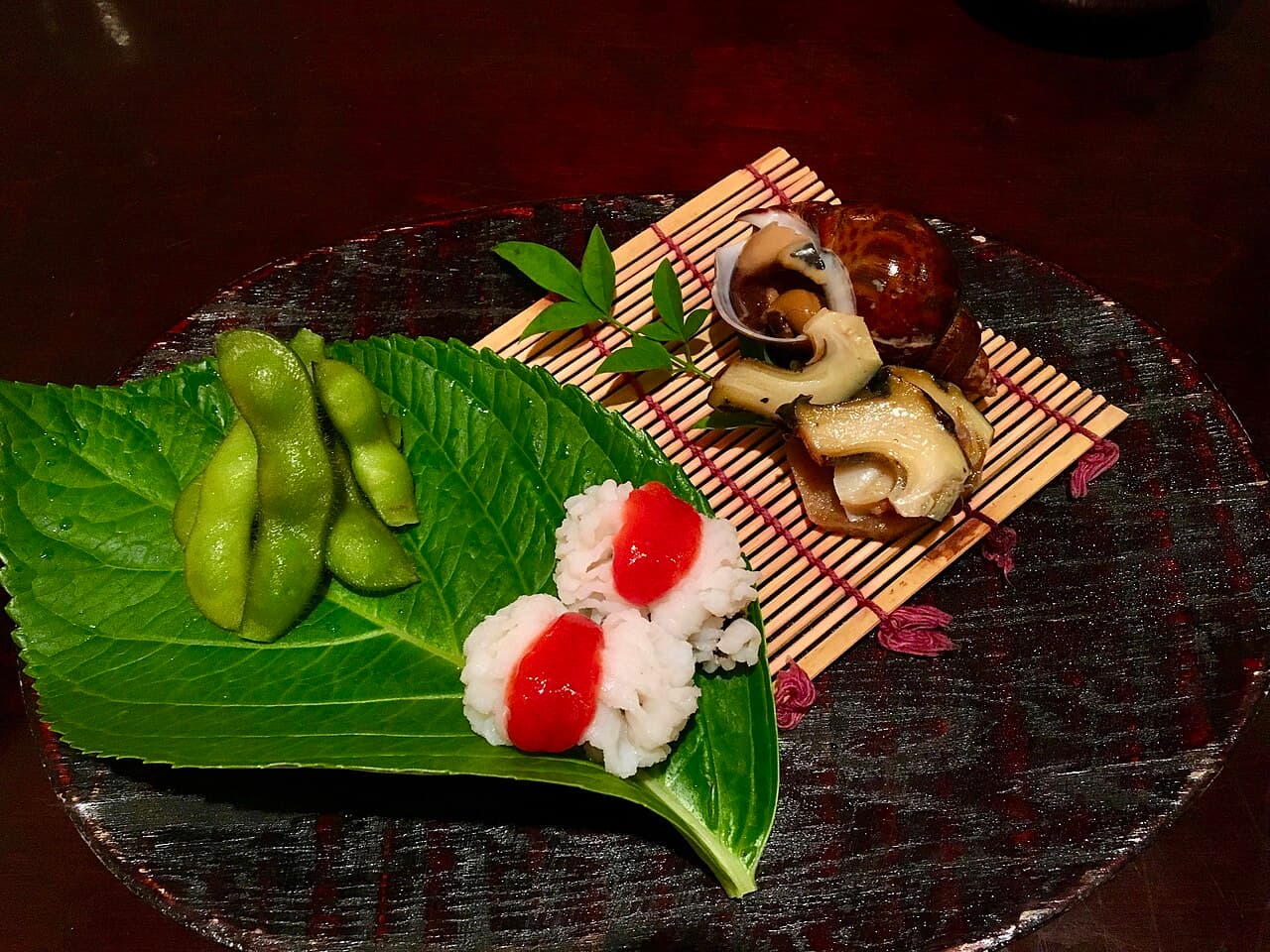
One fish, one season
If unagi is Tokyo's midsummer fish, hamo (pike conger) is Kyoto's. In season from mid-May to mid-September, it is the elegant, faintly sweet white fish that appears on every serious Kyoto summer menu — in kaiseki, in tempura, simmered in a clear broth, or blanched and chilled. It is so tied to the season that locals call Gion Matsuri — the month-long festival running 1–31 July 2026, with its great float parades on 17 and 24 July — the 'Hamo Festival.'
Why it took a city to perfect it
Hamo is brutally bony. To make it edible, a chef performs honekiri — 'bone cutting' — slicing the flesh into a comb of fine cuts (roughly 24 cuts per sun, about 3cm) without severing the skin, so the tiny bones are broken but the fillet holds. It is one of Japanese cooking's signature skills; a Kyoto saying holds that a chef isn't fully trained until the knife obeys. Historically, hamo's hardiness is the whole point: it survived the hot journey from the seas off Awaji and Akashi to land-locked Kyoto, making it the rare fresh fish the old capital could eat in high summer.
How it reaches the table
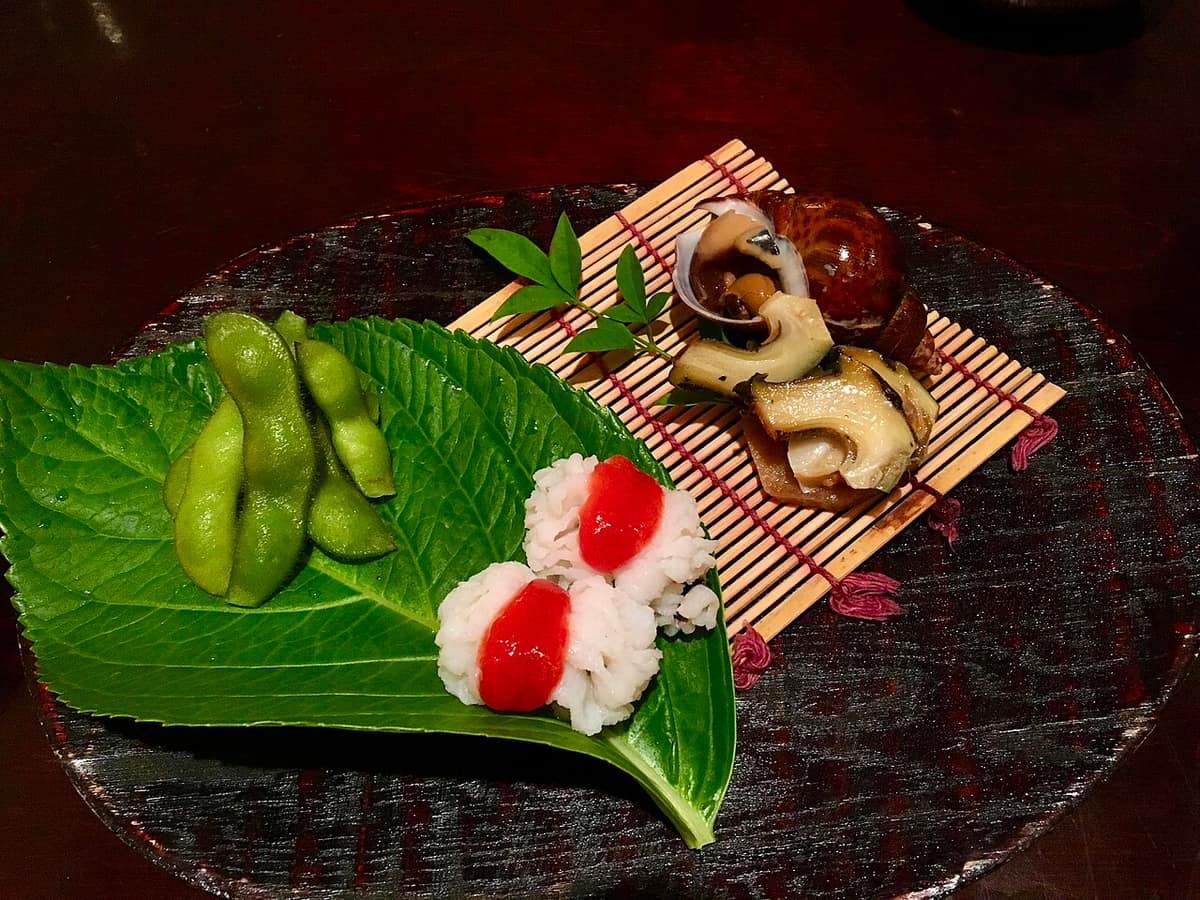
The signature dish is hamo no yubiki (also hamo-otoshi): the cut fish is briefly blanched so the flesh blossoms into white petals, chilled, and served with tart plum sauce (umeboshi) or karashi-su miso — cool, clean and quietly luxurious. You will also meet hamo no otsukuri (as sashimi-style), grilled hamo lacquered with sweet sauce, and hamo-suri dumplings in a clear summer broth. The flavour is delicate; the pleasure is texture and the cool astringency of the plum against the heat.
What each diet should know
Hamo is fish, so it suits pescatarians but not vegetarians or vegans. The chilled yubiki with plum sauce can be naturally light, but check: ponzu and many sauces use wheat-based soy sauce (not gluten-free), and dressings may contain dashi or mirin. It is essentially never halal-certified. As always with kaiseki, state any need at booking, not on the night.
Where to eat it
Hamo is at its most authentic in Kyoto. Our directory's Tousuiro, a tofu-kaiseki house on the Kamogawa in Kiyamachi, is a refined seasonal Kyoto kitchen where summer menus feature it. In Tokyo, the season reaches the city's top kaiseki counters: Kagurazaka Ishikawa, the English-friendly Ise Sueyoshi, and Ginza Kojyu all build seasonal courses and can present hamo at its peak — ask when you reserve. Go in June or July for the freshest fish, and let the chef lead.
我们已确认的餐厅
Tousuiro Kiyamachi
丝滑朧豆腐与湯叶组成的时令多道式料理
京都中心一家高档的河畔豆腐怀石店,以时令多道式呈上丝滑朧豆腐与湯叶,备有完整英文菜单及夏季河畔(川床)座位。设有专门的无鱼纯素套餐(“六波罗”),不含肉、贝、蛋、乳或鱼——但须特别点这一套餐,因标准豆腐套餐很可能用鲣鱼高汤。
- 鱼素
- 素食
- 纯素
- 无乳制品
- 约会
- 纪念日
- 商务
- 包间
Kagurazaka Ishikawa
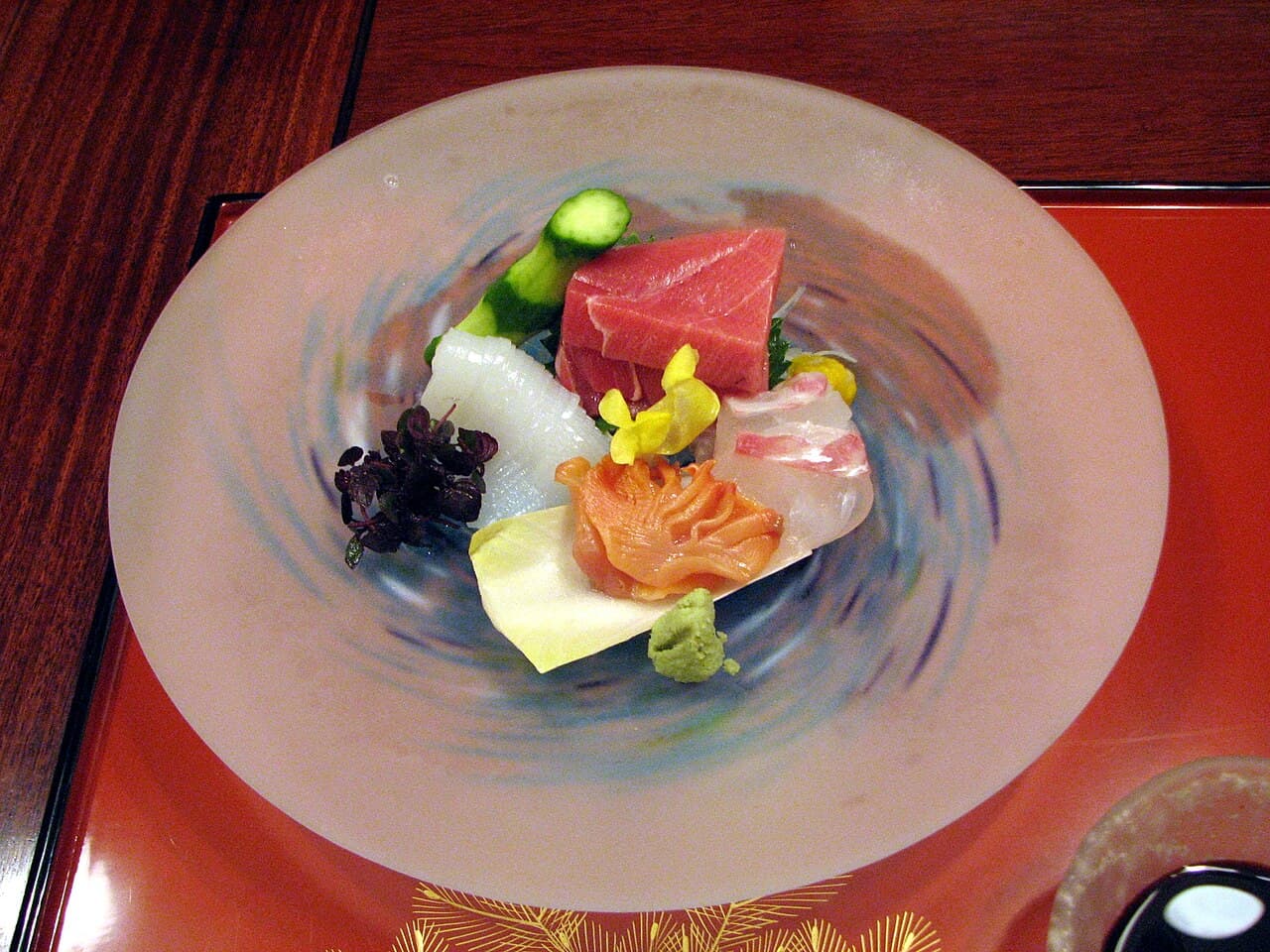
时令怀石套餐;招牌松露荞麦
神乐坂一家米其林三星怀石餐厅,供应时令主厨发办套餐。怀石传统上含少量肉/高汤,故鱼素(海鲜、无肉)菜单须提前要求并直接确认。非无麸质。
- 鱼素
- 纪念日
- 商务
- 包间
Ise Sueyoshi
时令三重县怀石套餐(可应要求提供清真版)
西麻布一家吧台式怀石餐厅,提前预约可提供不用猪肉、酒精或味醂的专门多道式菜单。属穆斯林友好/无猪肉无酒精(非正式认证);清真套餐请提前约一周预订。
- 清真
- 素食
- 纯素
- 纪念日
- 商务
- 包间

Sources
FAQ
- When is hamo (pike conger) in season in Japan?
- Hamo is a summer fish, in season roughly from mid-May to mid-September, peaking around July. In Kyoto it is inseparable from Gion Matsuri, the festival that runs 1–31 July 2026 (float parades on 17 and 24 July) and is locally nicknamed the 'Hamo Festival.'
- Why does hamo need a special knife technique?
- Pike conger is full of fine bones, so a chef performs honekiri ('bone cutting') — making many fine cuts (about 24 per 3cm) through the flesh without cutting the skin, so the tiny bones are severed but the fillet stays intact. It is one of Japanese cuisine's signature skills, especially associated with Kyoto.