
Dietary guide
Pescatarian Tokyo: the easiest city in the world to eat fish-first
Why Tokyo is a pescatarian's dream
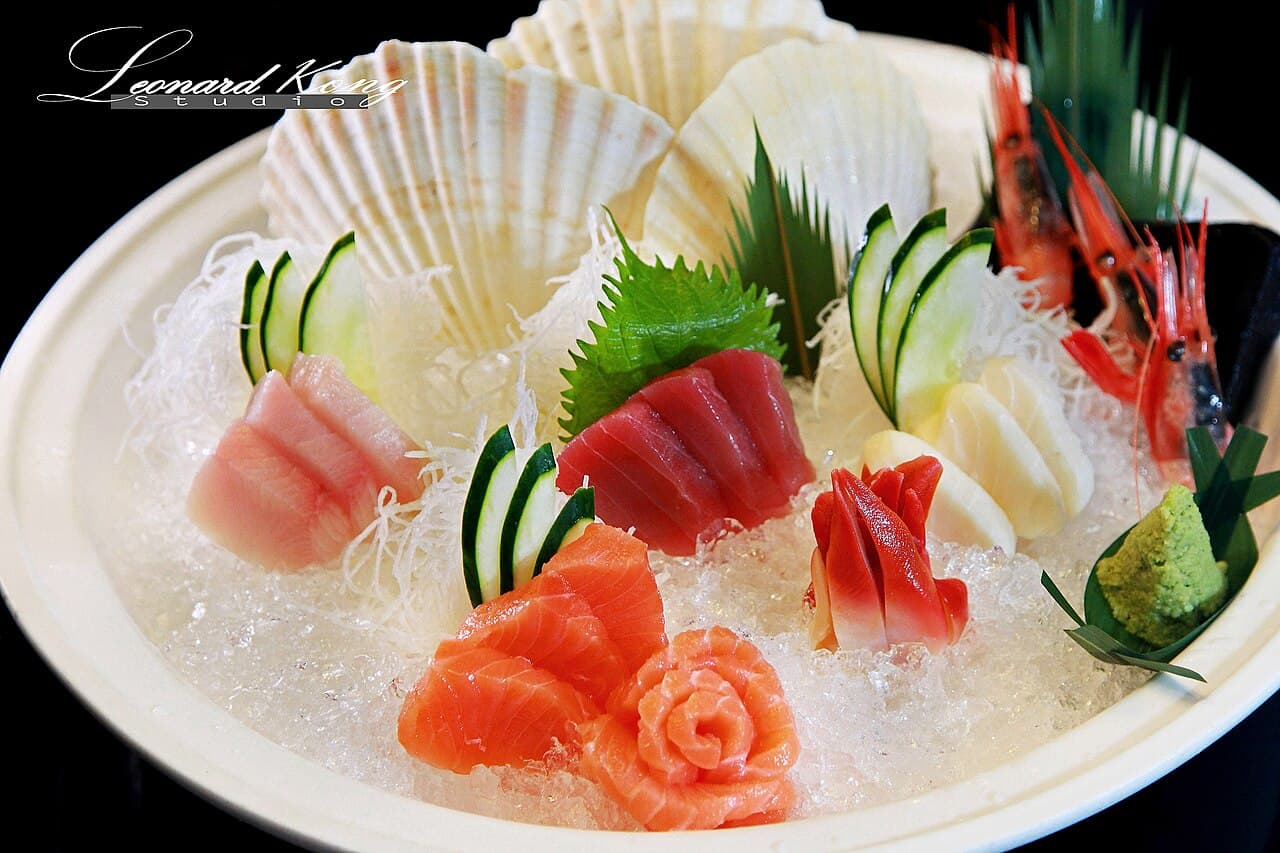
Japanese cooking is built on the sea. Sushi, sashimi, grilled and simmered fish, seafood rice bowls (kaisendon), and seafood-and-vegetable tempura are all naturally yours — no special menu required. A market-fresh sushi counter or a kaisendon near Toyosu is, for a pescatarian, simply lunch.
What to look for
- Sushi & sashimi — pure fish and rice. A nigiri omakase counter is the purest expression; sashimi without rice is for chopsticks.
- Kaisendon — a bowl of rice topped with raw seafood; point at what you like.
- Tempura — the best counters fry only seafood and vegetables (no meat), so a tempura course is naturally pescatarian.
- *Grilled fish set (yakizakana teishoku)* — rice, miso soup, pickles and a whole grilled fish; the everyday backbone of Japanese eating.
The hidden meat to watch for
The one trap is dashi and stock. Many "vegetable" simmered dishes use katsuobushi (bonito) — fine for you, but worth knowing. The real catches:
- Ramen and gyoza usually contain pork.
- Mixed dishes — fried rice, hot pots, izakaya platters — may hide chicken or pork; ask.
- Chawanmushi and some egg dishes are fine, but check the broth if you also avoid certain stocks.
Where to start
For market sushi at its source, Sushi Dai and Daiwa Sushi inside Toyosu Market are legendary; in the Tsukiji Outer Market, the 1889-founded Tsukiji Sushisei and the seafood bowls of Kaisendon Marukita are easy, welcoming introductions. For a special evening, the aged-tuna omakase at Hakkoku and the seafood-and-vegetable course at two-Michelin-star Tempura Kondo show how far fish-first dining can go.
Not gluten-free, though: soy sauce contains wheat. If you also avoid gluten, ask for tamari and see our gluten-free guide.
Places we’ve confirmed

Hakkoku
Aged-tuna nigiri course (~25 pieces)
An acclaimed Ginza Edomae sushi counter (chef Hiroyuki Sato) known for a nigiri-only course showcasing aged bluefin tuna. As pure seafood-and-rice sushi it is naturally pescatarian; not gluten-free (soy/vinegar). Cards only; reservations open about two months ahead.
- Pescatarian
- Anniversary
- Date
- Business
Sushi Dai
Omakase course of Edomae sushi (chef's choice)
The legendary 5 a.m. counter inside Toyosu Market where visitors queue for hours to watch a master build an omakase of the day's finest catch.
- Pescatarian
- Solo
- Date
Daiwa Sushi
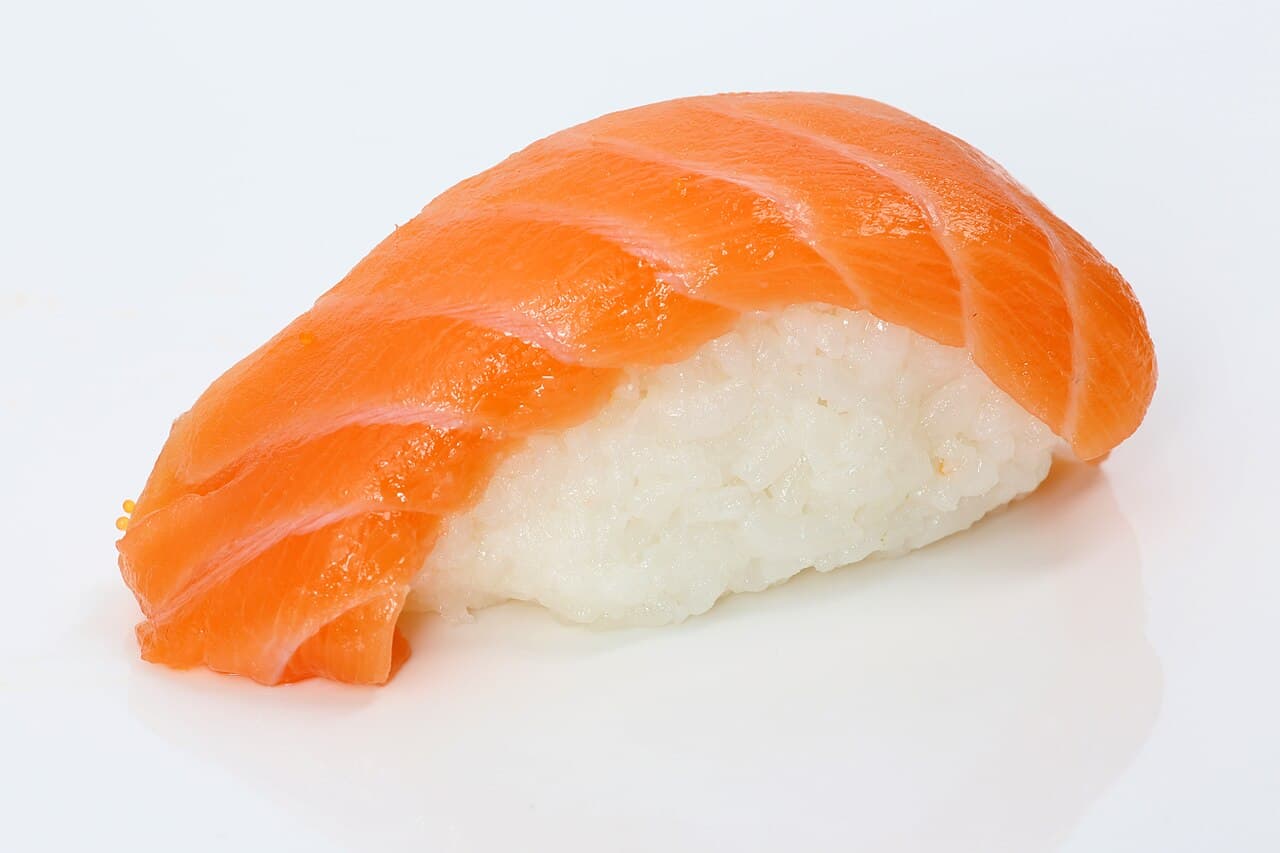
Omakase nigiri, known for premium tuna (maguro)
A famous Toyosu Market sushi counter (relocated from old Tsukiji) serving a chef's-selection omakase noted for its premium tuna. Pure seafood-and-rice sushi makes it naturally pescatarian; early market hours and not gluten-free (soy sauce contains wheat).
- Pescatarian
- Casual
- Solo
Tsukiji Sushisei Honten
Edomae nigiri sets and sashimi plates
A long-established (1889) Edomae sushi house in the Tsukiji Outer Market that stayed open after the market's relocation, serving classic nigiri sets and sashimi. As seafood-and-rice sushi it is naturally pescatarian; not gluten-free (soy sauce contains wheat).
- Pescatarian
- Casual
- Business

Kaisendon Marukita
Kaisendon with uni, toro and assorted seafood
A busy Tsukiji Outer Market kaisendon specialist offering around 30 seafood rice bowls made with fish bought daily at Toyosu — the raw-seafood-over-rice bowls are naturally pescatarian. Typically eaten with wheat-containing soy sauce, so not gluten-free unless you request/bring tamari.
- Pescatarian
- Casual
- Solo

Tempura Kondo
Julienned carrot kakiage and prawn / anago tempura
A two-Michelin-star Ginza tempura counter celebrated for exceptionally light frying and its signature julienned-carrot kakiage. Courses are built only on seafood and vegetables (no meat), making it naturally pescatarian; the wheat-flour batter means it is not gluten-free.
- Pescatarian
- Anniversary
- Business
Sources
FAQ
- Is sushi always pescatarian-safe?
- Nigiri, sashimi and most maki are seafood and rice only. Watch a few non-fish items (e.g. omelet/tamago is egg; some 'special' rolls add other things).
- Can I eat ramen?
- Most ramen broths are pork- or chicken-based, so standard ramen isn't pescatarian. Look for fish- or vegetable-broth shops, or a seafood tsukemen.