Soba are thin buckwheat noodles, served cold on a bamboo tray with dipping sauce (zaru) or hot in broth (kake). The best are hand-cut daily; juwari means 100% buckwheat.
What it means
Soba is old-Tokyo comfort and ritual — eaten on New Year's Eve (toshikoshi soba) for long life, and historically a fast, honest meal for craftsmen. Slurping cold soba with a touch of wasabi and scallion is one of the city's simple pleasures.
Why it's wonderful
Good soba tastes of the grain itself — nutty, faintly sweet, with a clean snap. The ritual of dipping, slurping, then drinking the cooking water (sobayu) mixed into the leftover sauce is deeply satisfying.
★ Mori soba (cold buckwheat noodles) and tempura soba
Founded in 1884 and housed in a Tokyo-designated historic wooden building, this Kanda institution serves hand-cut soba in a bustling, time-worn dining hall.
A Michelin-starred soba sanctuary where the chef grows and hand-mills his own Ibaraki buckwheat into pure 100% juwari noodles — the closest a coeliac traveller comes to trustworthy Tokyo soba.
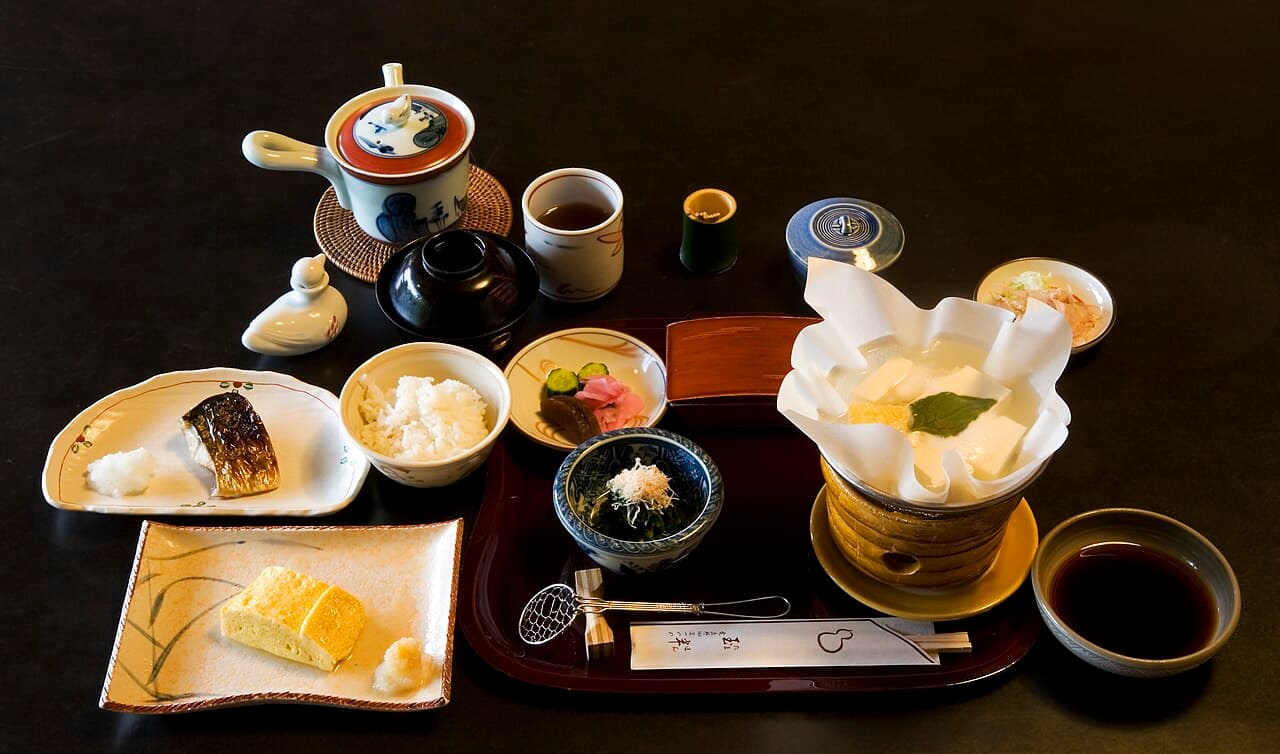
A three-Michelin-star Kagurazaka kaiseki restaurant serving a seasonal omakase course. Kaiseki traditionally includes some meat/dashi, so a pescatarian (seafood, no-meat) menu must be requested in advance and confirmed directly. Not gluten-free.
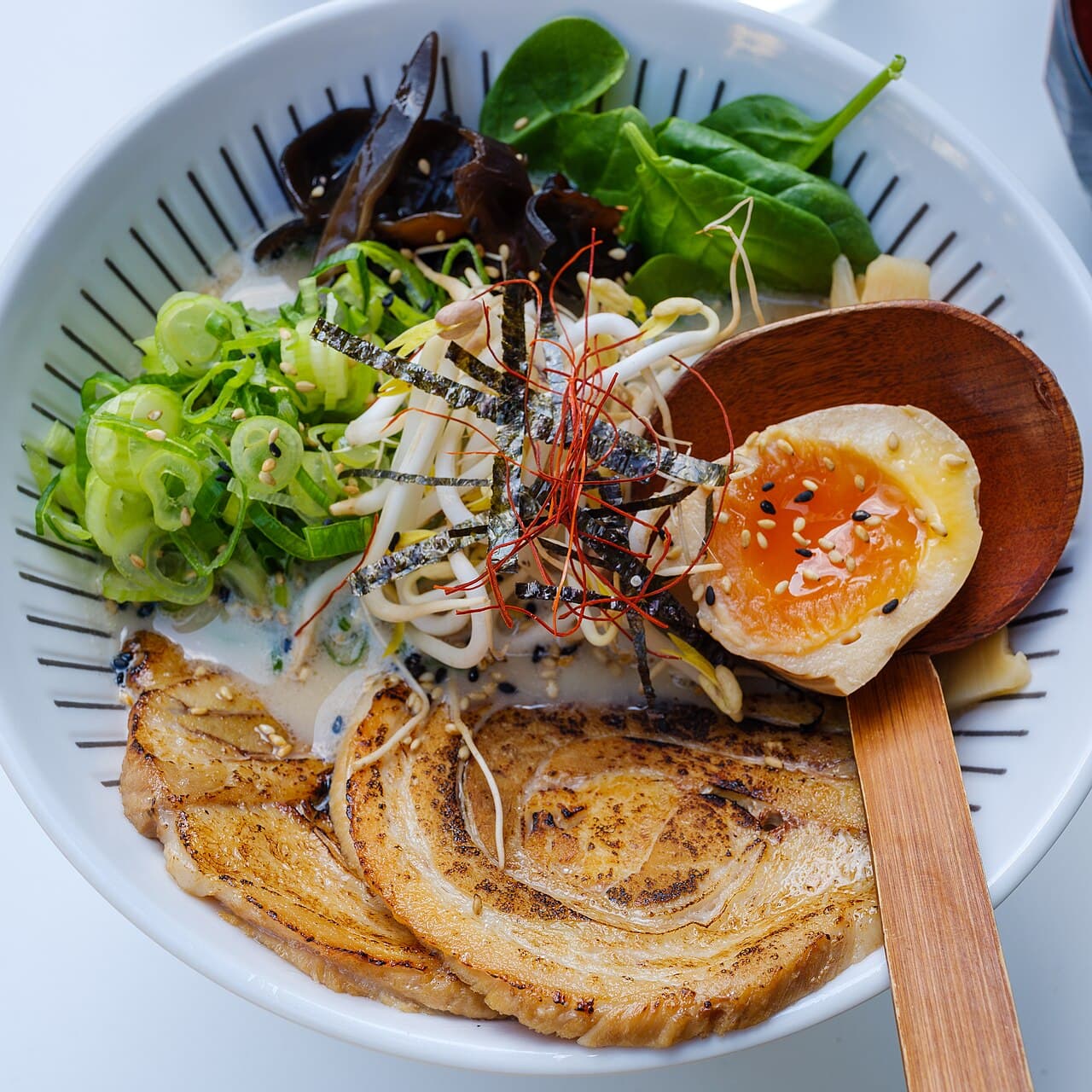
★ Gluten-free shio (salt) ramen with rice-based noodles; veggie 'Vegisoba'
A popular Tokyo Ramen Street shop offering a gluten-free salt ramen made with rice-based noodles, plus its colorful vegetable 'Vegisoba'. It is a has-options shop, not a dedicated GF kitchen — the official site warns of possible cross-contamination, so it is not celiac-safe.
A dedicated gluten-free cafe whose entire kitchen is wheat-free, serving GF Japanese comfort food such as gyoza, karaage, ramen and yakisoba with English-marked menus. Its Tabelog listing is currently status-undetermined, so confirm hours via its Instagram before visiting.