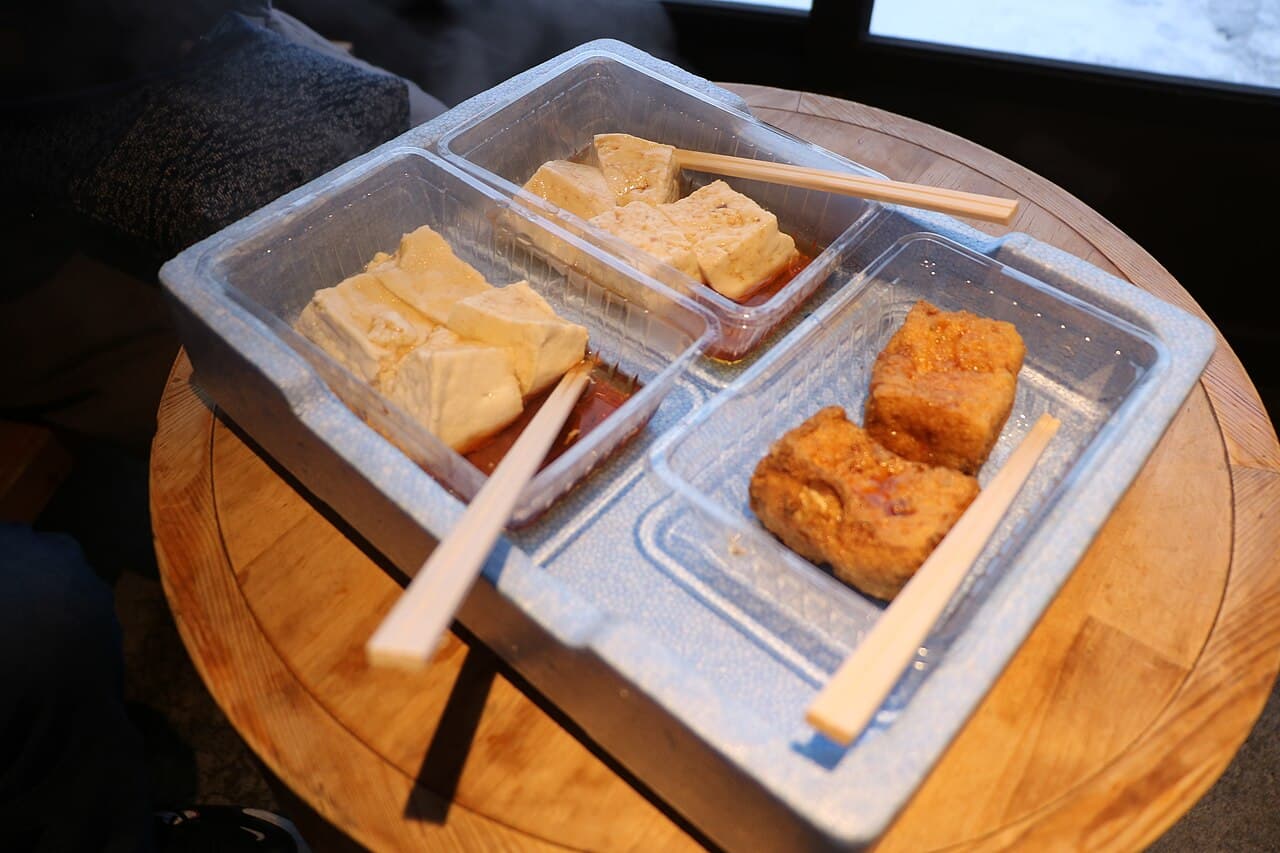
Tofu is fresh soybean curd; yuba is the delicate skin lifted from warm soy milk. Far beyond a meat substitute, artisan tofu is a dish in its own right — yudofu (simmered in kombu broth), agedashi (lightly fried), hiyayakko (chilled), or silky kinugoshi.
What it means
Tofu travelled with Buddhism and became central to temple and home cooking alike. A specialist tofu house treats water, soybeans and timing with the seriousness others give to wine — a humble ingredient raised to artistry.
Why it's wonderful
The pleasure is purity: clean soybean sweetness, a custard-soft texture, a few drops of good soy or a dab of ginger. Comforting, light, and quietly profound.
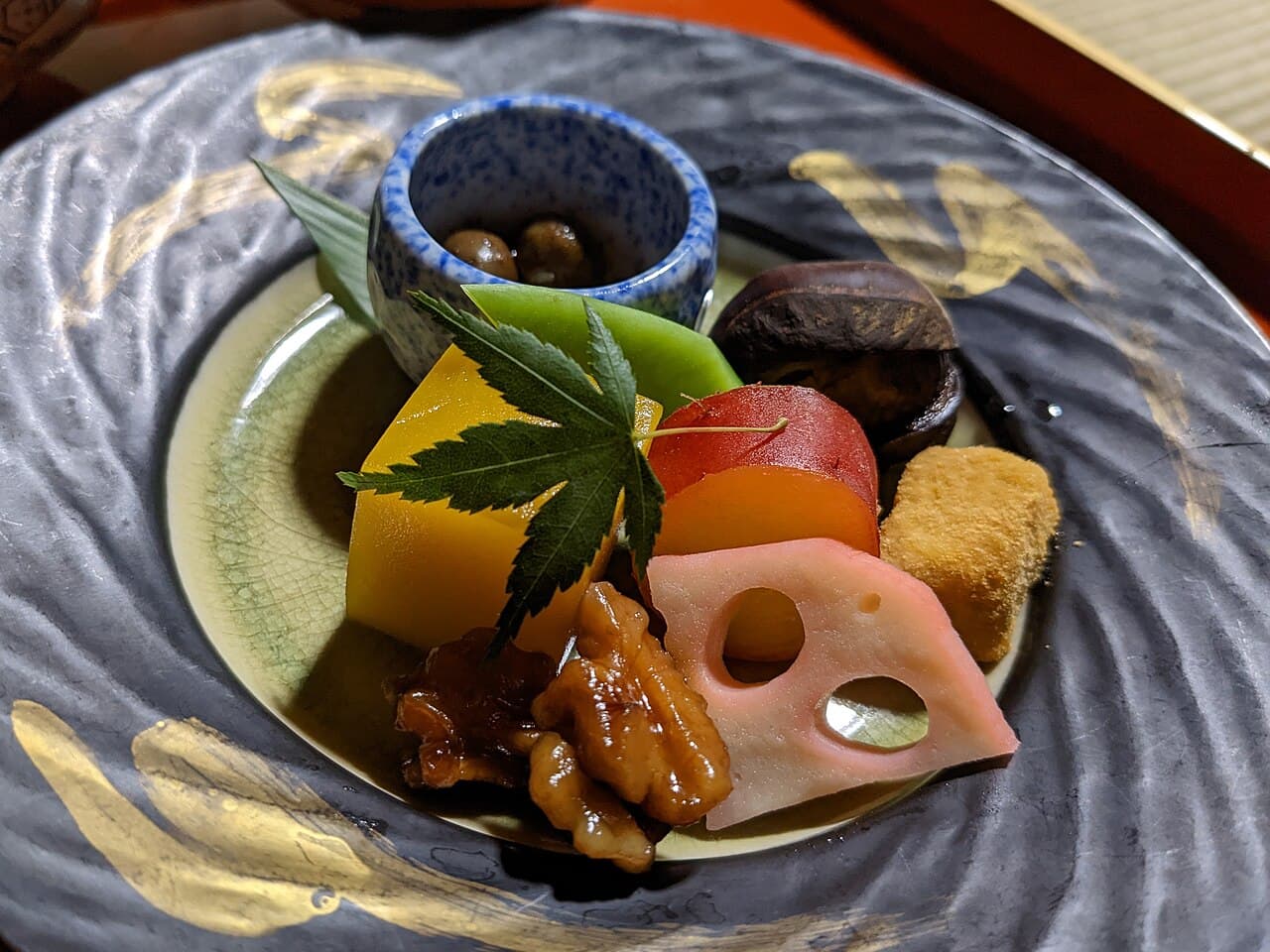
★ Kuchifuku set — nine seasonal vegan sides with rice and miso soup
A casual, affordable vegan cafeteria run by a Kamakura temple lineage beneath the Akihabara rail arches, where even garlic and onion are forsaken in true shojin style.
★ Plant-based 'meat & fish' course made entirely from vegetables
Once crowned the world's #1 vegan restaurant on HappyCow, this Jiyugaoka temple of 'new washoku' conjures convincing meat and fish dishes from nothing but vegetables — and welcomes vegan and Muslim diners alike.
★ Kinugoshi silken tofu, said to be invented here in Edo
Founded over 330 years ago, this Negishi institution claims to have invented silken tofu in Edo, and still serves a quiet tofu-kaiseki course beside the poet Shiki's old hermitage.
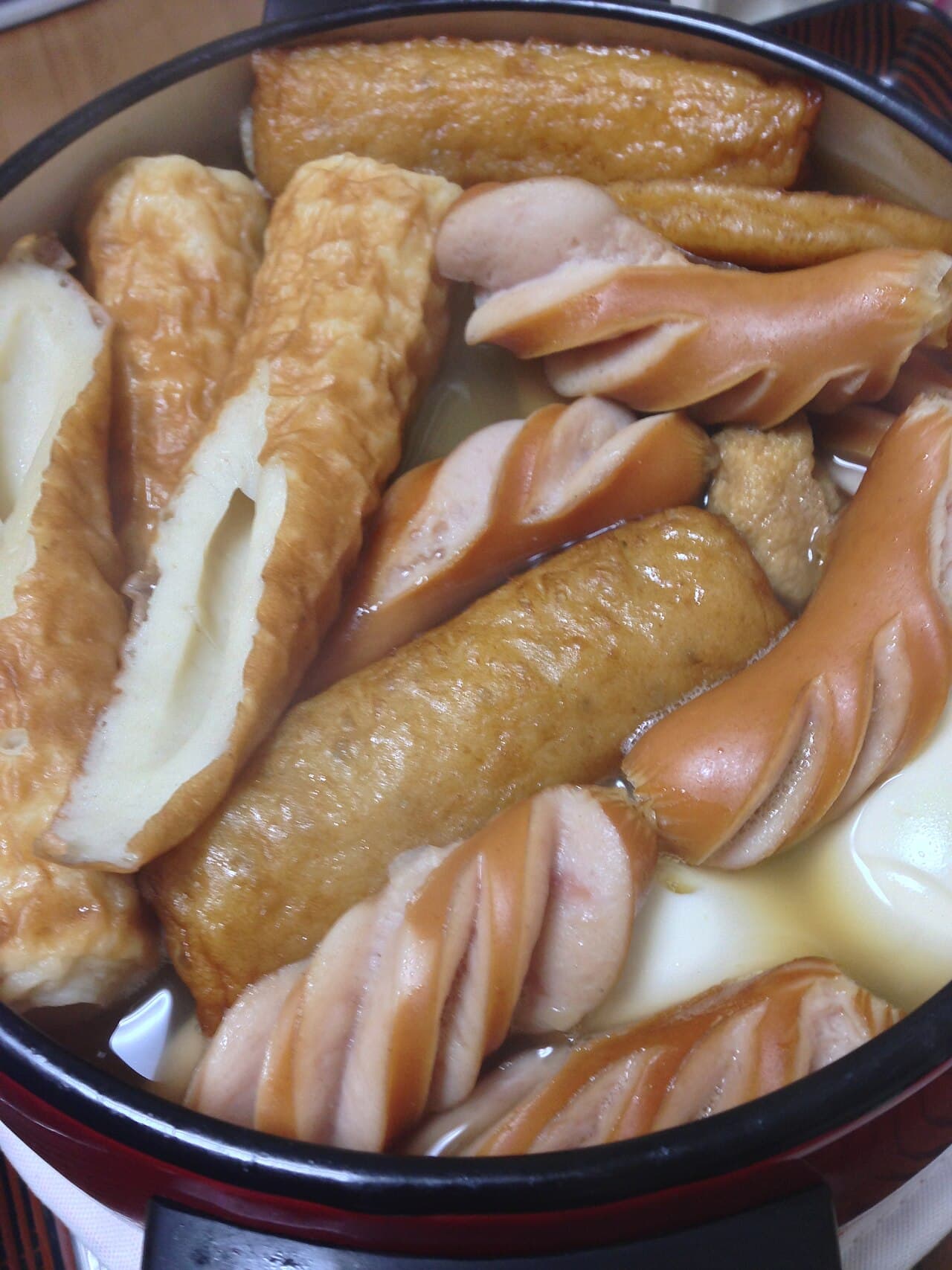
★ Tomeshi — soy-cooked rice crowned with broth-soaked tofu
Founded in 1923, this Kanto-style oden institution simmers a decades-old dark dashi and is famous for tomeshi — broth-soaked tofu over soy-stained rice.