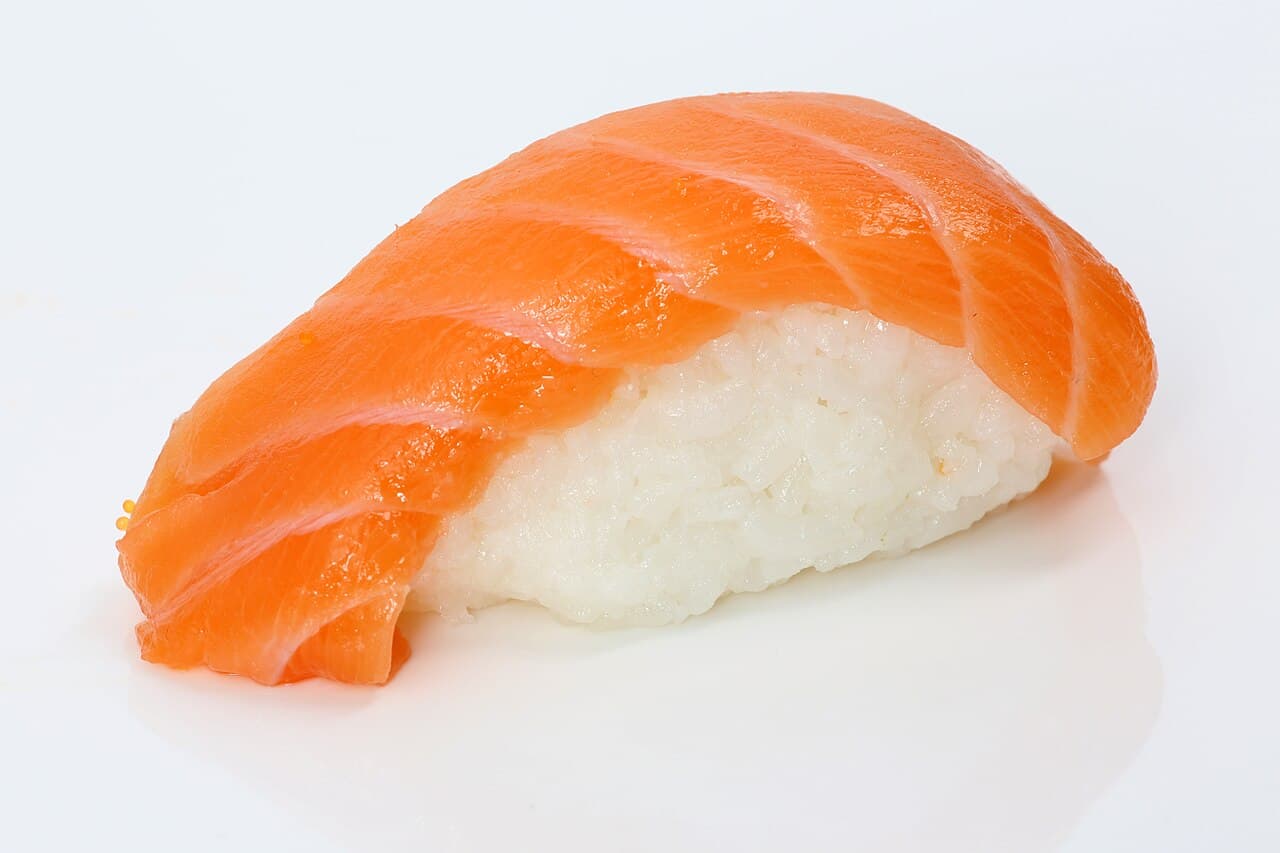
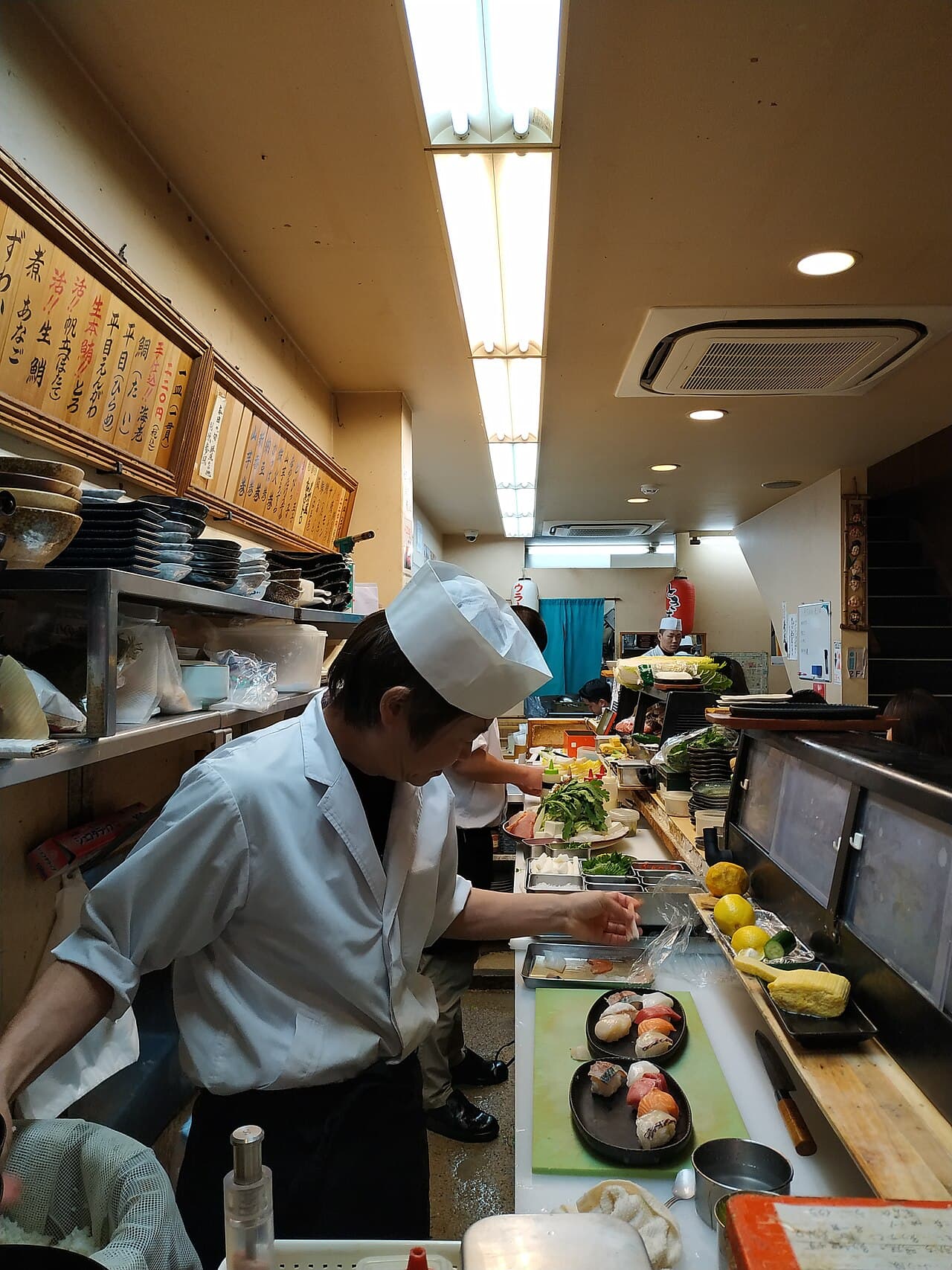
스시의 핵심은 초밥(shari, 샤리)과 해산물·채소·달걀의 조합입니다. 도쿄 스타일은 에도마에 니기리——사람 체온의 따뜻한 밥을 손으로 쥐고 그 위에 생선 한 점을 올립니다. 마키(김말이)·군칸(군함말이)·테마키(손말이)·치라시(흩뿌린 덮밥)도 모두 한 가족입니다.
무엇을 의미하는가
스시는 19세기 에도(옛 도쿄)에서 태어난 길거리 패스트푸드로, 만(灣)에서 갓 잡은 그날의 생선을 즐기던 지혜였습니다. 그 유산은 오늘날 규율로 살아 있습니다. 뛰어난 스시 장인은 밥의 온도, 칼질, 한 점 한 점의 손질에 수년을 바칩니다. 스시를 먹는다는 것은, 두 세기에 걸쳐 다듬어진 기예를 맛보는 일입니다.
무엇이 훌륭한가
최고의 니기리는 대비의 묘미입니다——차가운 생선, 체온의 밥, 은은한 와사비와 니키리 간장의 속삭임. 카운터에서 장인이 의도한 순서대로 즐기면, 그것은 만든 이와 나누는 조용한 대화가 됩니다.
★ Edomae nigiri course — soy sauce to fish, all halal-certified
Japan's first halal-certified sushi house, steps from Senso-ji, serving full Edomae nigiri — soy, fish and pickles all halal — with a second-floor prayer room built with the local mosque.
★ Premium nigiri like otoro and jumbo sweet shrimp at modest prices
A popular conveyor-belt sushi restaurant on the 8th floor of Seibu Shibuya, praised for generous cuts of quality fish at modest prices; lines are common. Seafood-forward and good for solo diners, but not gluten-free.
A long-running, hugely popular sushi restaurant inside Shibuya Mark City known for large, value-for-money nigiri; expect a wait and use the ticket system. Seafood-forward and well-suited to pescatarians, though not gluten-free.