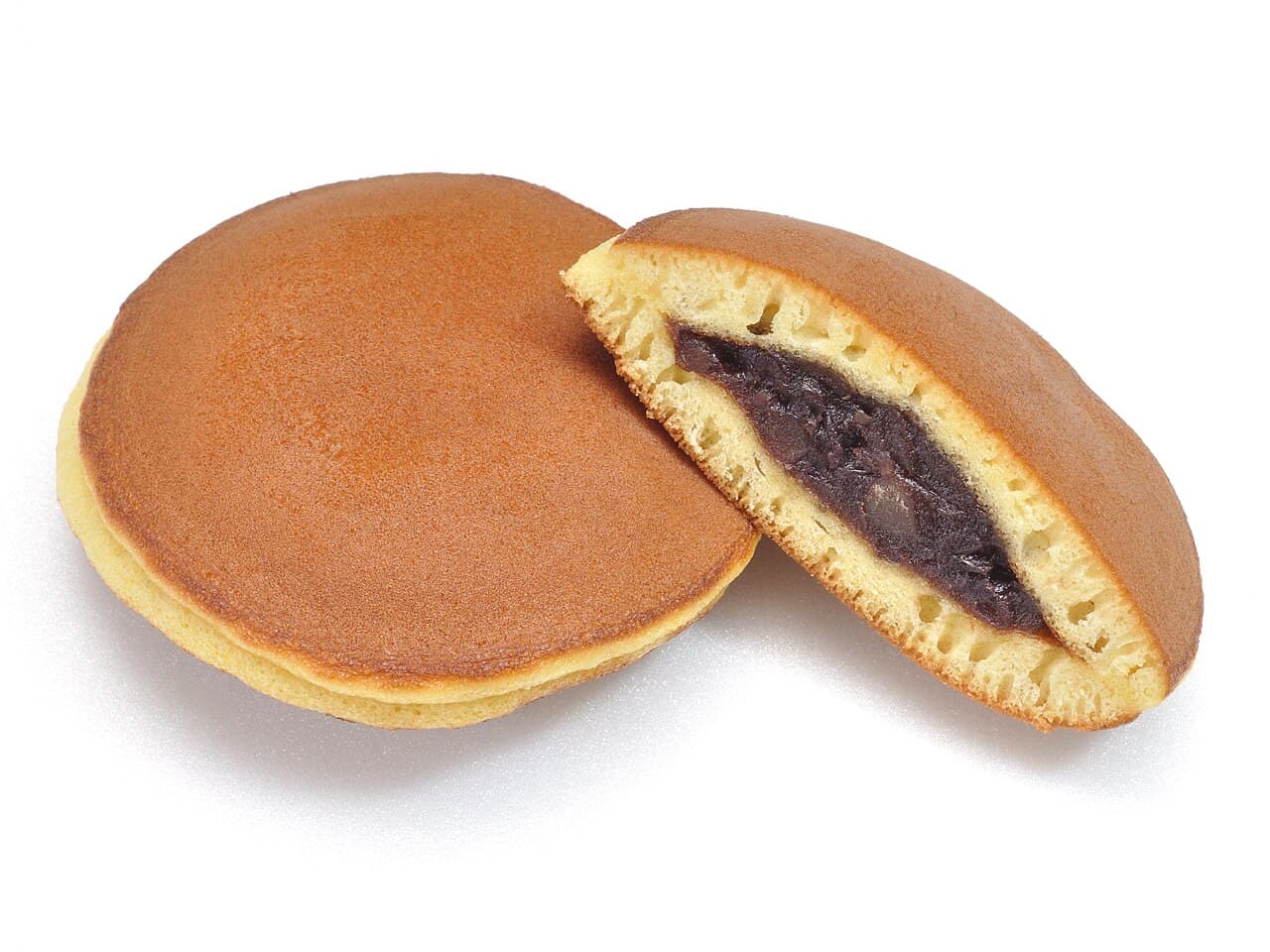
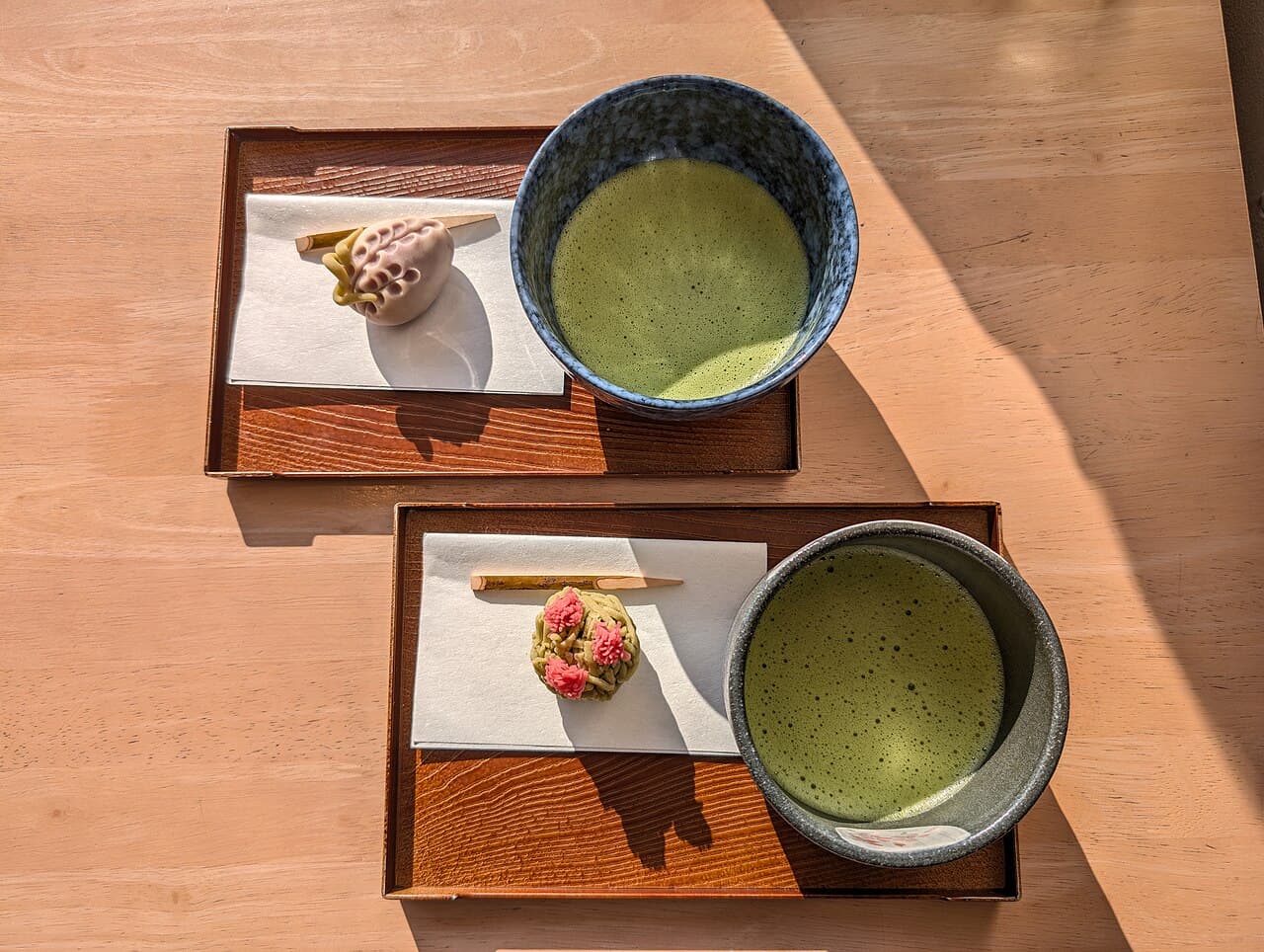
Wagashi are traditional Japanese sweets, typically built on anko (sweet red-bean paste), rice and agar. Think dorayaki (pancake sandwich), daifuku (mochi-wrapped paste), dango (skewered rice dumplings) and the jewel-like nerikiri of the tea ceremony.
What it means
Unlike rich Western desserts, wagashi are gently sweet and deeply seasonal — shaped and colored to evoke plum blossoms, autumn leaves or summer streams. They're made to balance the bitterness of matcha.
Why it's wonderful
They're as much art as food: a single nerikiri can be a tiny, edible poem to the month. Pair with green tea for the full, quiet pleasure — and many are naturally plant-based.
★ No.7 Premium Matcha Gelato — the world's richest
This 1848-founded tea house teams up with Shizuoka's Nanaya to serve matcha gelato in seven escalating intensities, climaxing in a near-black No. 7 so concentrated it tastes like eating pure tea leaves.
★ Turkish sweets and spiced tea, with an attached halal market
A Muslim-friendly Turkish patisserie/cafe inside Japan's largest mosque, the Tokyo Camii & Diyanet Turkish Culture Center, serving halal confectionery alongside an attached halal market. The mosque is open to non-Muslim visitors outside prayer times.
A cafe a 2-minute walk from Kaminarimon serving food without pork or alcohol, using halal meat alongside vegan and vegetarian dishes. Muslim-friendly / pork- and alcohol-free, not third-party halal-certified.
The Ginza outpost of a six-generation Wakayama fruit farm builds its ever-changing parfaits from layers of freshly cut estate fruit, soft serve, and homemade jam.